
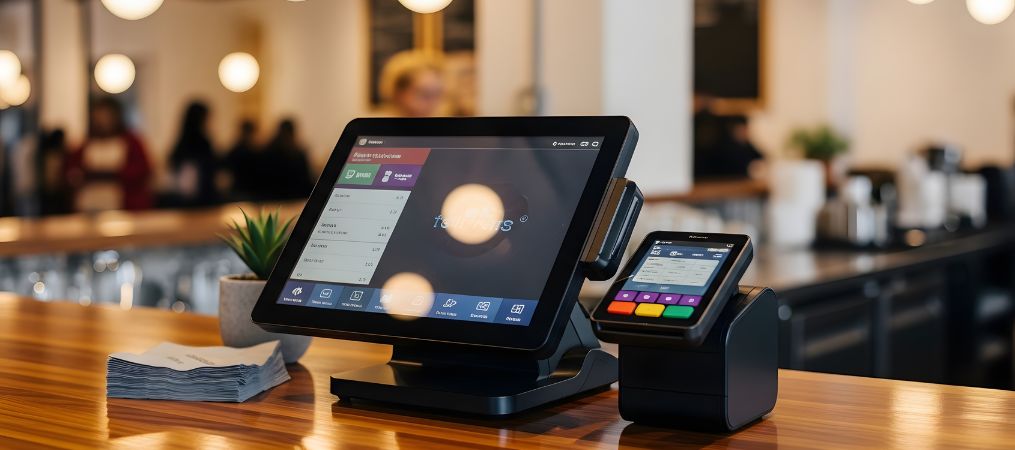
Food, labor, rent, and fees are all more expensive than they were a few years ago. Guests are more price‑sensitive, suppliers bump prices, and staff expect fair wages and predictable schedules. You can’t spreadsheet your way out of inflation. But you can stop flying blind. Your Pittsburgh POS system knows what’s selling, when you’re busiest, where you’re wasting product, and how much labor you’re burning to get through each shift.
The restaurants that are hanging on — and even growing — are the ones using that data every week instead of solely when something breaks. In this blog, the team at Pineapple POS will explore how.
Watching Food Cost Before It Blows Up the P&L
Food cost problems don’t show up the first time a case of product comes in higher than expected. They creep in through portion drift, untracked waste, and menu items that haven’t been repriced in years. By the time it hits the P&L, the damage is done.
Pittsburgh operators are leaning on POS‑connected inventory management and recipe tools to catch those changes in real time. Every order updates theoretical usage. Every variance between “what you should have used” and “what’s actually on the shelf” is a signal — maybe waste, maybe over‑portioning, maybe theft.
What they do with it:
- Flag items where usage is way higher than sales suggest, and tighten up portions or prep
- Re‑price dishes when ingredient costs jump instead of absorbing the increase for months
- Trim low‑margin, low‑volume dishes that clutter the line and tie up product
The result isn’t just lower food cost. It’s fewer surprises when week‑end inventory hits.
Using Hourly Sales to Staff Smarter, Not Just Cheaper
Labor is one of the only big expenses you can adjust week to week, but cutting the wrong hours creates new problems, including long ticket times, stressed staff, and guests who don’t come back. POS data gives you a way to be precise instead of reactive.
Pittsburgh restaurants are reading hourly sales and ticket‑count reports to see their real traffic curve. Some find that weekday lunch stays strong around office corridors, while dinner swings harder in neighborhoods near hospitals and campuses. Others see that online orders spike right when the dining room is full.
What they do with it:
- Stack more experience during the real rush window of business hours instead of over‑covering the whole day
- Cut an hour from chronically slow stretches without touching peak coverage
- Adjust kitchen and bar staffing when third‑party and takeout orders hit hard
It’s not about running as lean as possible but about putting the people you do have in the right spots at the right times.
Engineering Menus Around Margin, Not Just Popularity
Rising costs expose menus that were never priced correctly in the first place. A dish can be a guest favorite and still drag down your week if the margin isn’t there. POS solutions like menu‑mix and profitability reports support businesses by making that obvious.
Pittsburgh operators are looking at item‑level sales alongside recipe costs so they can see which dishes are carrying their menu and which are dead weight. In a city with everything from casual pierogi spots to tasting‑menu dining, that view matters.
What they do with it:
- Push high‑margin products to prime menu real estate and train servers to suggest them
- Adjust portion sizes or components on popular but under‑priced dishes
- Quietly retire items that barely sell and tie up line space and inventory
Small changes across a handful of items can matter more than a major menu overhaul.
Tracking Waste, Voids, and Discounts Before They Become Normal
Comped meals, voided tickets, and heavy discounting are sometimes the right call. The trouble starts when they become routine — especially when margins are already thin. POS reporting turns those into numbers you can watch, not just feelings you have after a bad week.
Western PA restaurants are reviewing weekly void/discount reports by shift, by item, and by staff member. The goal isn’t to catch someone doing something wrong. It’s to see patterns that point to broken processes.
What they do with it:
- Fix recurring kitchen issues that drive remakes and comps
- Tighten up who can authorize which discounts and how often
- Clarify when a comp is the right response and when a smaller gesture works
Treated as a health check, these reports keep small leaks from turning into a steady drip.
Using Channel Data to Decide Which Orders Are Worth It
Between in‑person dining, takeout, first‑party online ordering, and third‑party delivery apps, it’s easy to say yes to everything and end up overextended. Each channel adds revenue — and its own cost and complexity. POS data shows how they actually perform side by side.
Pittsburgh operators are breaking down sales and margin by channel instead of lumping all revenue together. Some are finding that certain third‑party platforms drive volume but almost no profit once commissions and packaging are factored in. Others see that their own online ordering outperforms marketplaces when they promote it properly.
What they do with it:
- Decide which delivery platforms to keep, pause, or renegotiate
- Reserve complex dishes for in‑house guests and keep delivery menus lean
- Promote first‑party online ordering where the math actually works
The goal isn’t to abandon channels altogether but to put your effort where it pays off.
Turning Guest Data into Repeat Visits
New guests are more expensive than regulars. When costs rise, repeat business becomes even more important. POS‑driven loyalty and customer management tools help restaurants identify who’s coming back and what keeps them interested.
Pittsburgh businesses are using basic visit and spend data from their POS to build simple, targeted offers instead of blasting the same discount to everyone. That might be a weekday lunch reward for downtown regulars, or a “third visit” perk for guests in neighborhood bars.
What they do with it:
- Create rewards that nudge guests toward higher‑margin items
- Time offers around historically slow days or dayparts
- Recognize their most loyal guests at the table with small touches that don’t cost much
The data isn’t there to micromanage every visit. It’s there to avoid leaving easy repeat business on the table.
Making POS Data a Weekly Habit
If your POS in Pittsburgh is just printing receipts and closing checks, you’re paying for more than you’re using. The information you need to respond to rising costs is already running through your terminals and handhelds every shift. The question is whether it stays locked in the system — or becomes part of how you run your restaurant.
Contact us today to learn more about how our dedicated team provides local support for Pittsburgh restaurants with reliable mobile point of sale systems from Skytab POS, helping you enhance customer experiences, streamline operations, and succeed in a competitive market.