
Guest experience starts well before food hits the table. Long before a server ever takes an order, a guest has already formed an impression — based on how accurate the wait estimate was, how easy it was to get seated, and whether the process felt organized or chaotic.
A modern point-of-sale system shapes that first impression in ways many restaurant owners don’t fully realize.
1. Faster Seating and Waitlist Management
Integrated waitlist tools give guests an accurate wait time instead of a guess, reducing frustration at the door. Nothing sours a first impression faster than being told “15 minutes” and standing around for 40.
Digital waitlists also let hosts text guests when their table is ready instead of requiring them to hover by the door.
2. Mobile Ordering Cuts Down Wait Times
QR code and mobile ordering let guests browse the menu and place an order the moment they’re ready, rather than waiting for a server to become available. This matters just as much for guests who are still deciding — mobile menus let them browse photos, read descriptions, and ask questions through item notes without feeling rushed.
3. Accurate Order Details Reduce Mistakes
Digital order entry with modifier tracking reduces the miscommunication that leads to wrong dishes and frustrated guests. A handwritten “no onions” note is easy to misplace between the table and the kitchen; a digital modifier attached directly to the order isn’t.
Fewer remakes also means faster tickets for everyone else still waiting on food.
4. Flexible Payment Options
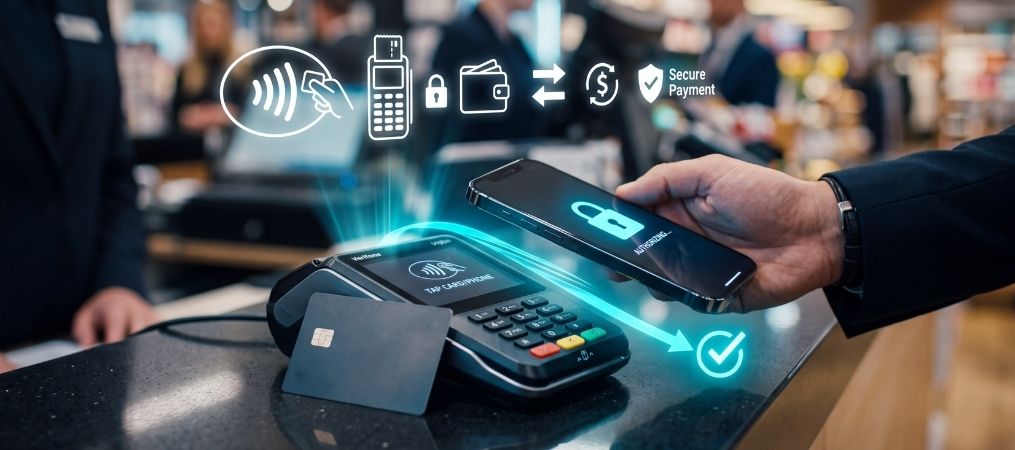
Split checks, contactless payment, and pay-at-table options let guests pay the way they want, without waiting on a server to bring a card machine back and forth two or three times to sort out who owes what. It’s often the last impression a guest walks away with.
Guests increasingly expect the option to tap their own card, split a bill five ways without a fuss, or add a tip on their own terms.
5. Loyalty Recognition from the First Visit
Customer profiles built into the POS let staff recognize returning guests and their preferences, creating a more personal experience even during a busy shift. A server who can greet someone by name makes a restaurant feel less like a transaction and more like a relationship.
Over time, this kind of recognition becomes a real competitive advantage. Guests remember being remembered.
Give Guests a Better Experience from the Start
None of these five moments happen at the table, and that’s exactly the point. By the time a guest sits down, a well-run POS has already shaped their mood, their patience, and their expectations for the rest of the meal.
Want your guests to notice the difference from the moment they walk in? Contact Pineapple POS today.
Frequently Asked Questions
A modern POS can make several parts of the guest journey smoother, including waitlist management, ordering, order accuracy, payment, and loyalty recognition.
Yes. Features such as digital waitlists, mobile ordering, tableside ordering, and integrated payments can eliminate unnecessary steps throughout service, helping restaurants seat, serve, and check out guests more efficiently.
POS customer profiles can store information such as previous orders, preferences, and loyalty activity. Having that information available gives staff more context when serving returning customers and can create a more personalized experience.
Digital order entry can reduce errors caused by handwritten tickets or verbal communication. Modifiers, special requests, and other order details can be sent directly through the POS, giving both front- and back-of-house teams clearer information.
Accurate wait times, quick ordering, correct meals, easy check splitting, contactless payments, and faster checkout can all influence how smoothly a restaurant visit feels.
An integrated loyalty system can help restaurants recognize returning guests, track rewards, and create more relevant offers.